

Doing Collective Impact— Social Impact Learning Series Workshop, Tuesday, September 22 @ 1pm
Join us Tuesday, Sept. 22 from 1-3pm for a workshop and introduction to Collective Impact. We’ll discuss this framework for social change, how to do it, and share some lessons from the City Rising studio notebook.

Sustainable Service: Healing, Culture, and the Work of Staying Whole — Social Impact Learning Series Webinar, Thursday, Sept. 17 1-2pm
Join us Thursday, Sept. 17 at 1pm for a conversation with Dr. Zelideh Martinez Hoy, as we discuss compassion fatigue, somatic awareness, cultural labor, and sustainable service.

Request for Proposals: Graphic Facilitator / Live Illustrator
City Rising is seeking a graphic facilitator / live illustrator to visually document and interpret a two-day gathering in Indianapolis on October 12–13, 2026. The selected artist will listen, synthesize, and translate conversations, ideas, questions, and connections into an original visual record using illustration, diagrams, words, symbols, and other visual forms. We’re especially interested in work that is thoughtful, accessible, legible, and engaging for people with intellectual and/or developmental disabilities and their families. Graphic facilitators, illustrators, designers, visual practitioners, and emerging artists are encouraged to apply.

Request for Proposals: Event Photographer + Videographer
City Rising is seeking a photographer and videographer to document a two-day gathering in Indianapolis on October 12–13, 2026. We’re looking for a visual storyteller who can capture the people, ideas, relationships, and atmosphere that make a gathering meaningful, with an emphasis on candid, human, and observant documentation. The commission includes event photography and video, environmental and detail imagery, and professional headshots for up to 20 designated individuals. We welcome documentary photographers, visual storytellers, interdisciplinary artists, and emerging practitioners whose work demonstrates a strong eye and an ability to capture meaningful moments as they unfold.
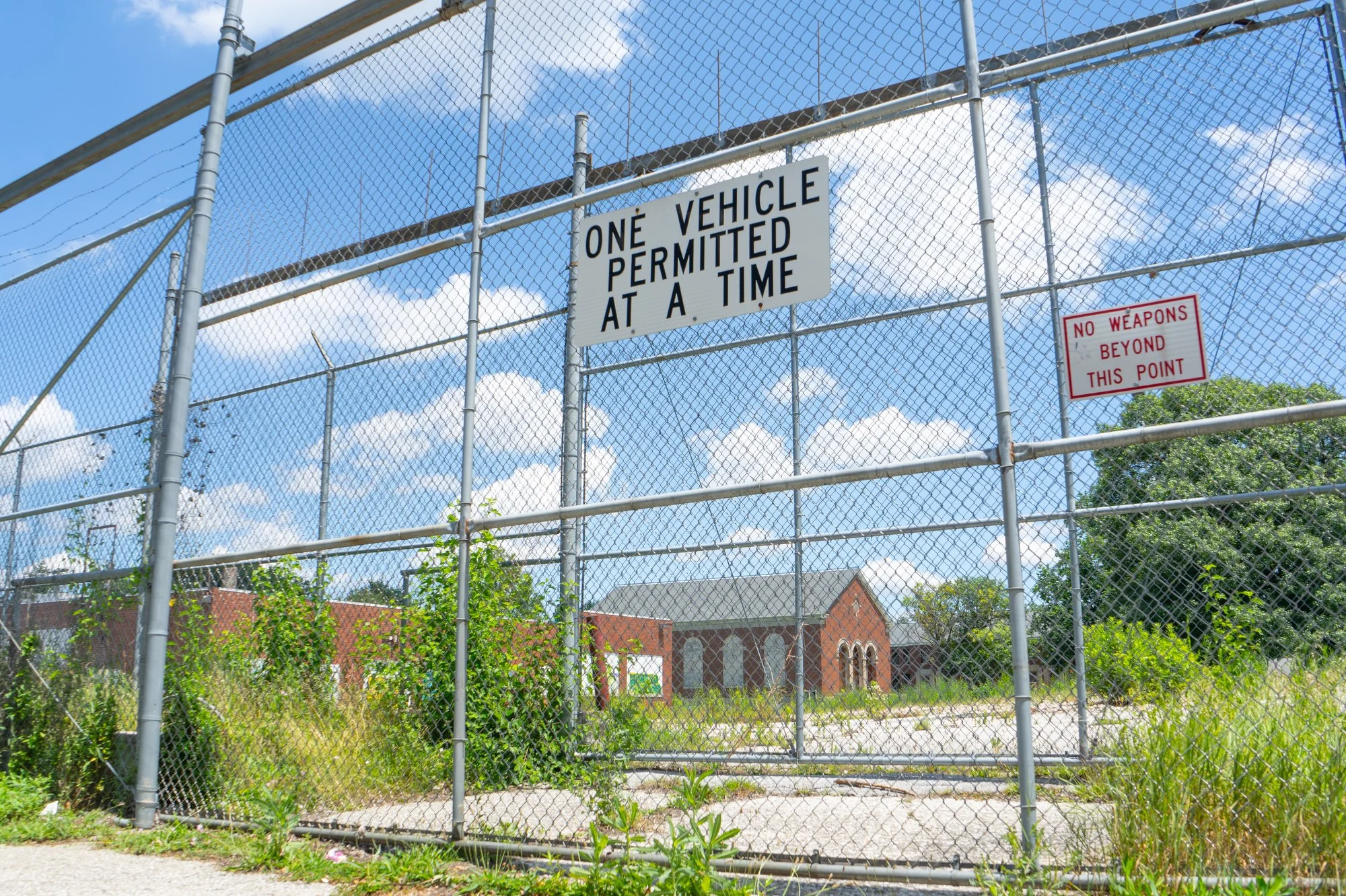
Request for Qualifications: A/V, Video & Sound Artist for Beyond These Gates
City Rising is seeking an A/V artist, video artist, sound artist, multimedia artist, or interdisciplinary artist to create a series of short audiovisual works for Beyond These Gates: Remembering Home, the Prison, and a Place Yet to Be, a live public event exploring memory, incarceration, place, redevelopment, and possibility through the former site of the Indiana Women’s Prison in Indianapolis.
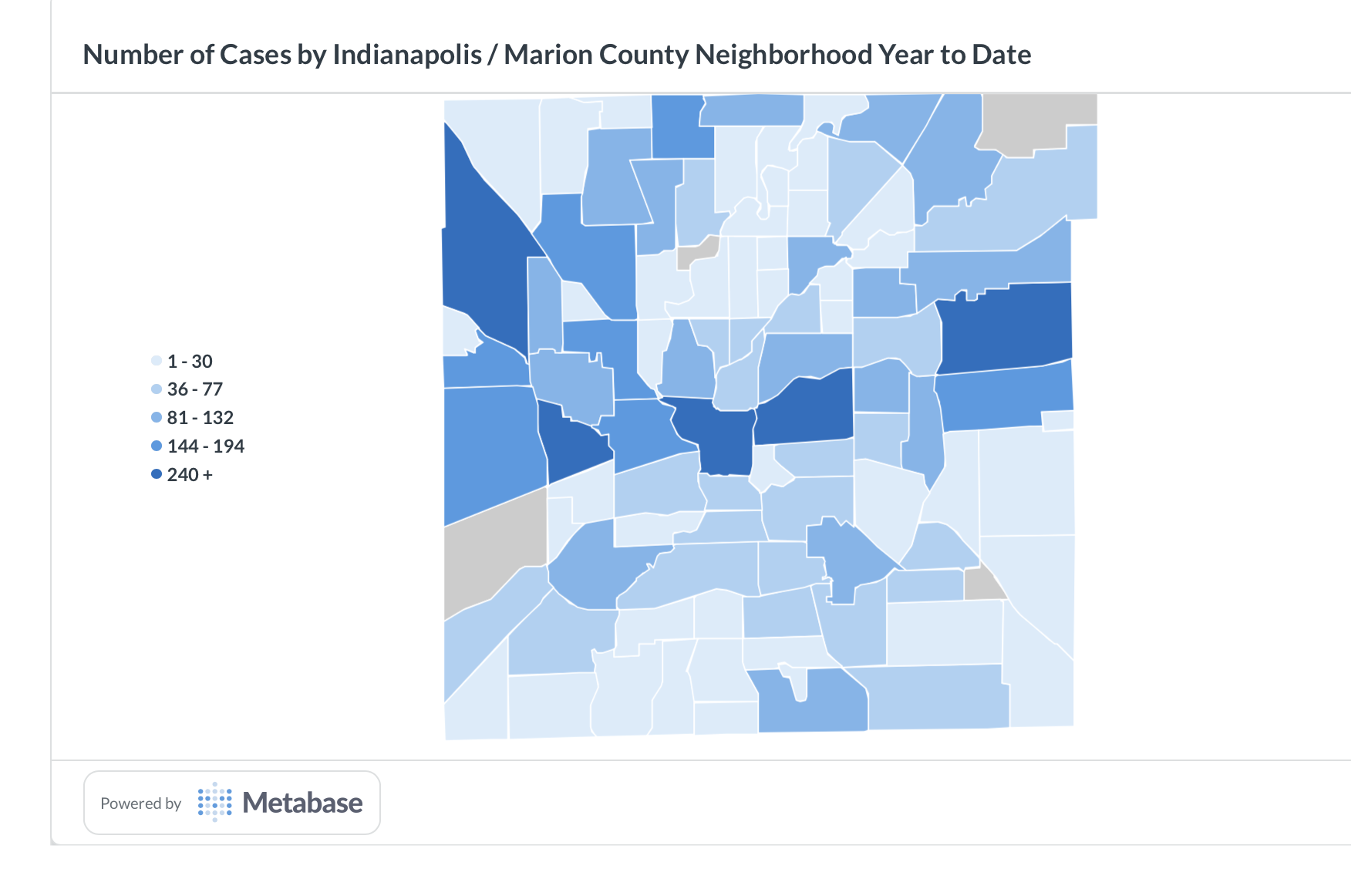
Indianapolis Just Got a Live Eviction Data Dashboard
Access to timely, public information is essential for communities seeking to understand and respond to complex social challenges. That's why City Rising is proud to announce the launch of the new Indianapolis / Marion County Eviction Data Dashboard, developed in partnership with the Indy Housing Project and Anymouse.
The dashboard provides near real-time information about eviction filings across Marion County, offering residents, advocates, researchers, service providers, journalists, and policymakers a new tool for understanding housing instability in Indianapolis. Drawing from publicly available court records, the dashboard updates multiple times each week and allows users to explore eviction trends by neighborhood, ZIP code, census tract, and court, while also providing historical comparisons and downloadable datasets.
Alternative Funding Models + Building Indy’s Eviction Data Dashboard— Two New Social Impact Learning Series Conversations Coming in August
This August, the City Rising Social Impact Learning Series continues with two free public conversations exploring how communities can develop more equitable systems, more democratic approaches to resourcing, and more accessible public information tools. Each session brings together practitioners, researchers, and innovators who are actively building alternatives to conventional approaches to social impact.
Whether you work in philanthropy, nonprofit leadership, community organizing, public policy, research, or simply care about creating stronger communities, we invite you to join us for these free online learning conversations.
Request for Qualifications (RFQ): Beyond These Gates Poetic Inquiry Data Artist Residency
City Rising is seeking a Poetic Inquiry Data Artist to assist with Beyond These Gates. The application deadline in July 10, 2026, Learn more about this residency and access the application here.
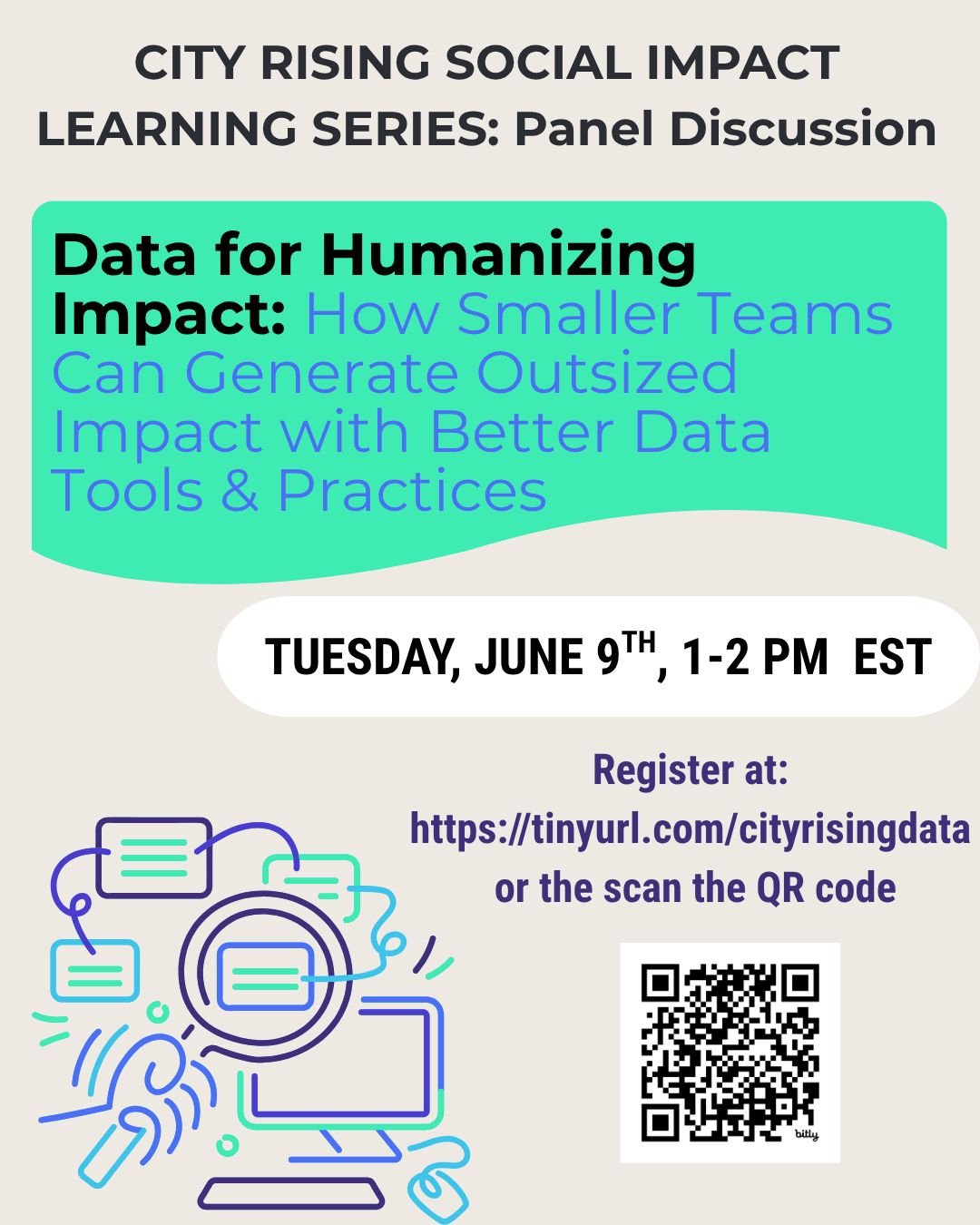
Data for Humanizing Impact: How Smaller Teams Can Generate Outsized Impact with Better Data Tools & Practices
While the word data often brings to mind spreadsheets, dashboards, and reporting requirements, we believe the most important role of data is helping us better understand people, relationships, experiences, and systems. When used thoughtfully, data can help organizations move beyond assumptions, identify emerging needs, strengthen strategy, communicate impact, and make more informed decisions.
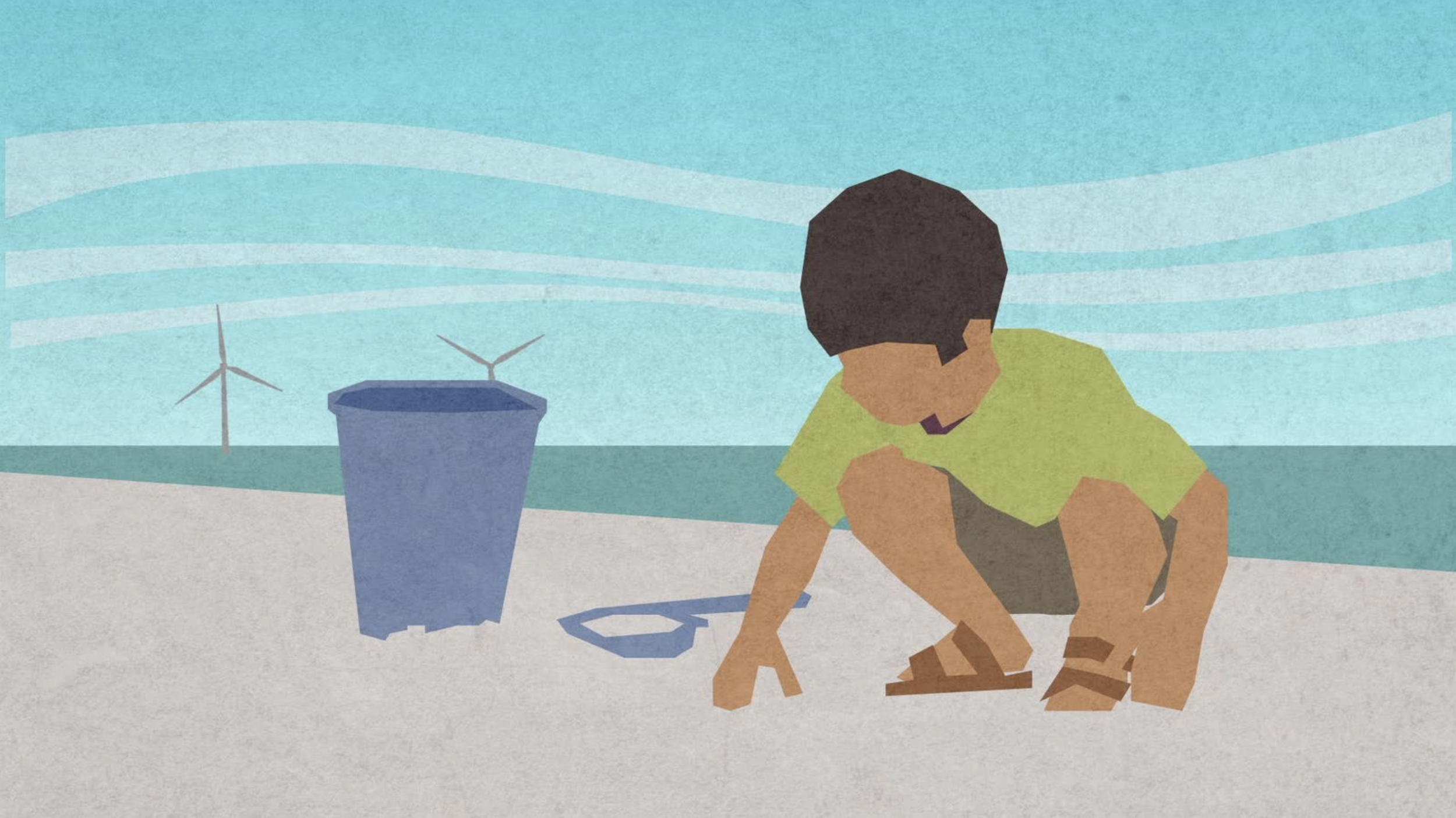
The Great Lakes Community Review Board Begins Its First Pilot Review Process
The Great Lakes Community Review Board has officially begun its first pilot protocol application review process, marking an important early step in advancing more community-led approaches to research ethics, accountability, and participation.
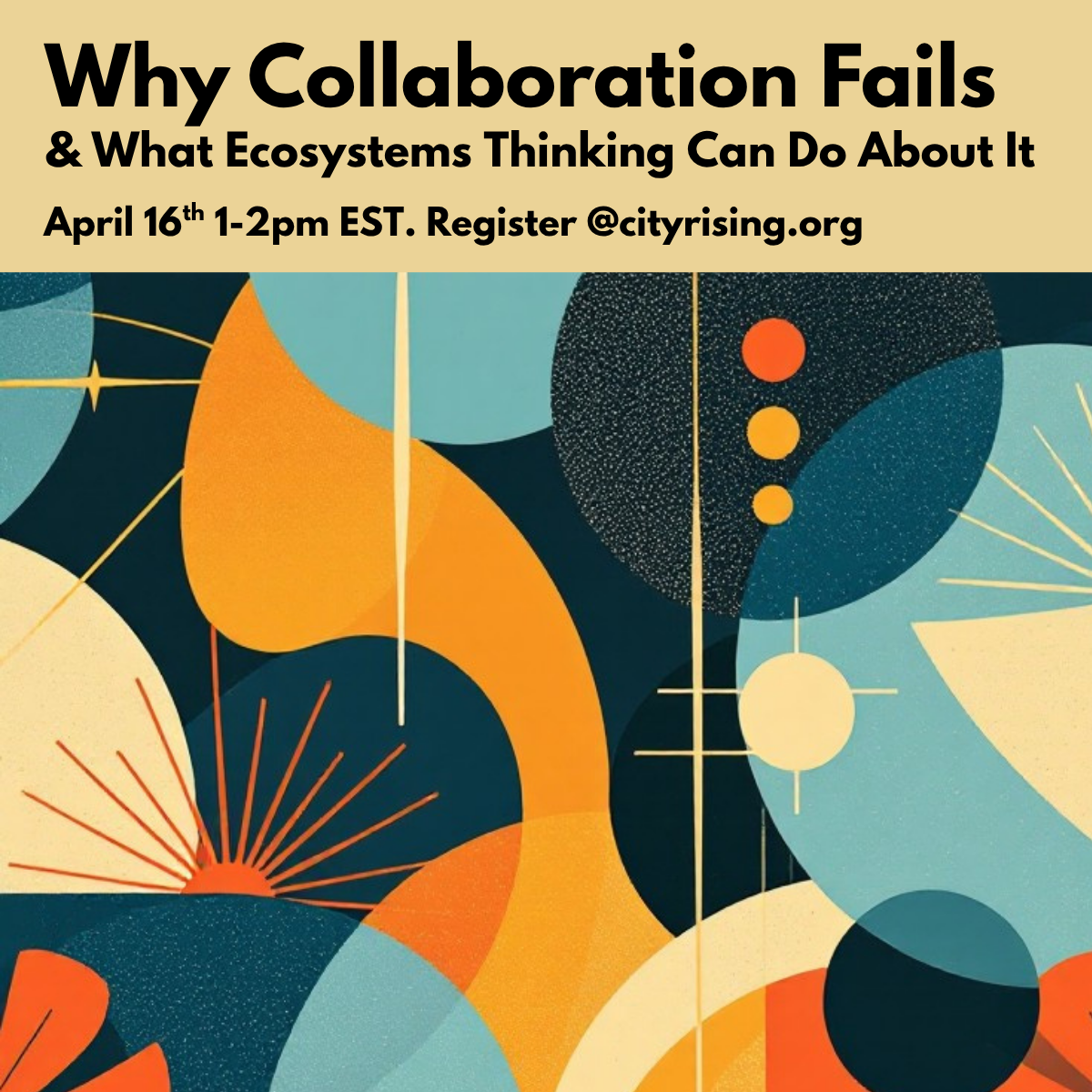
“Why Collaboration Fails and What Ecosystem Thinking Can Do About It” - A webinar for those working to drive social impact
Many collaborative efforts fail—not because the people involved lack commitment or skill, but because they are operating from a limited frame. When collaboration is built on a siloed or program-centered perspective, it often focuses too narrowly on individual organizational goals, isolated metrics, or short-term outputs. The result is coordination without meaningful change.
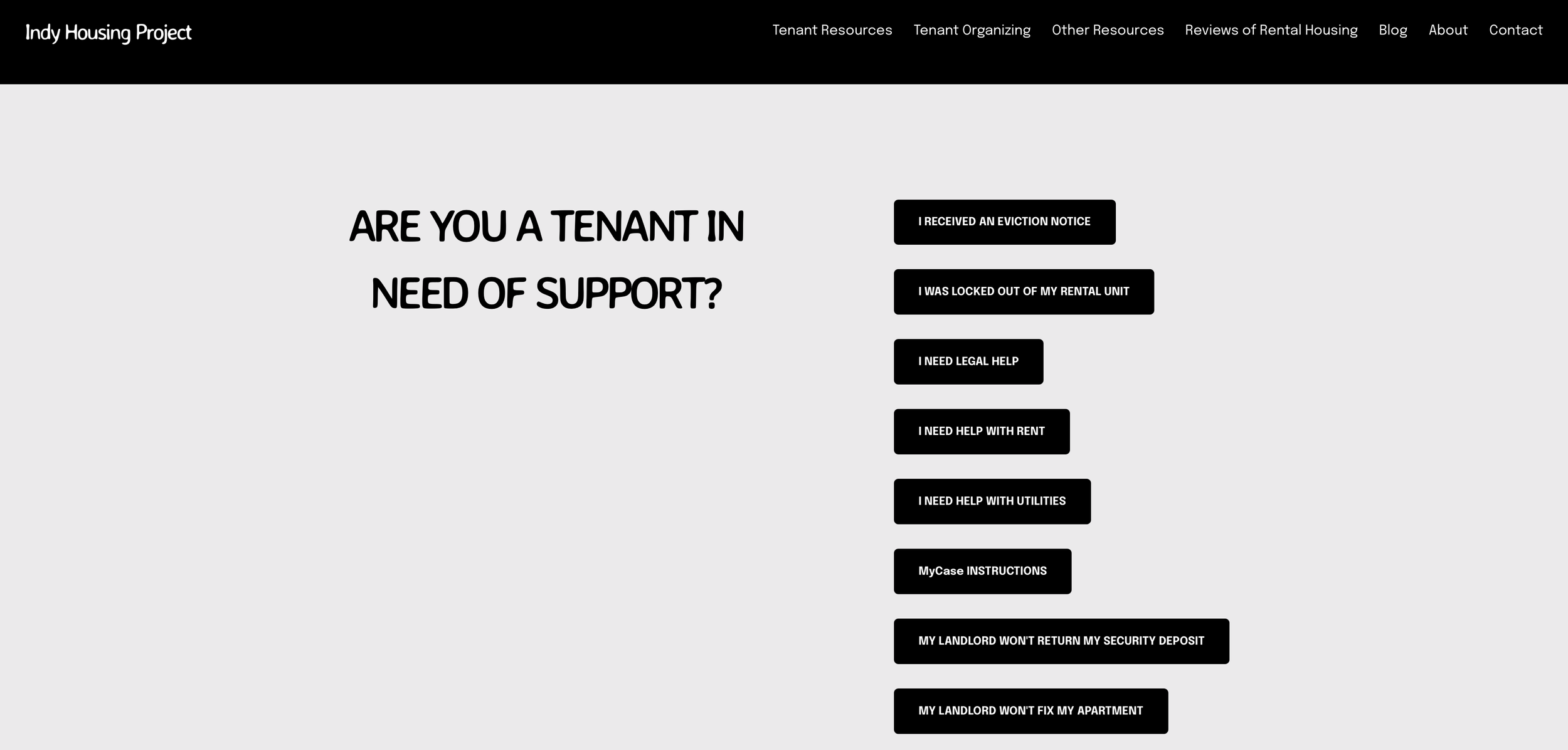
Making Eviction Visible: Why Indianapolis Needs a Real-Time Data Dashboard
Over the past several years, access to timely, usable eviction data has been inconsistent. Dashboards have gone offline, stopped updating, or lacked the level of detail needed to understand what’s actually happening across neighborhoods. Without clear data, it becomes harder to respond—harder to target support, shape policy, or even see the full scope of housing instability.
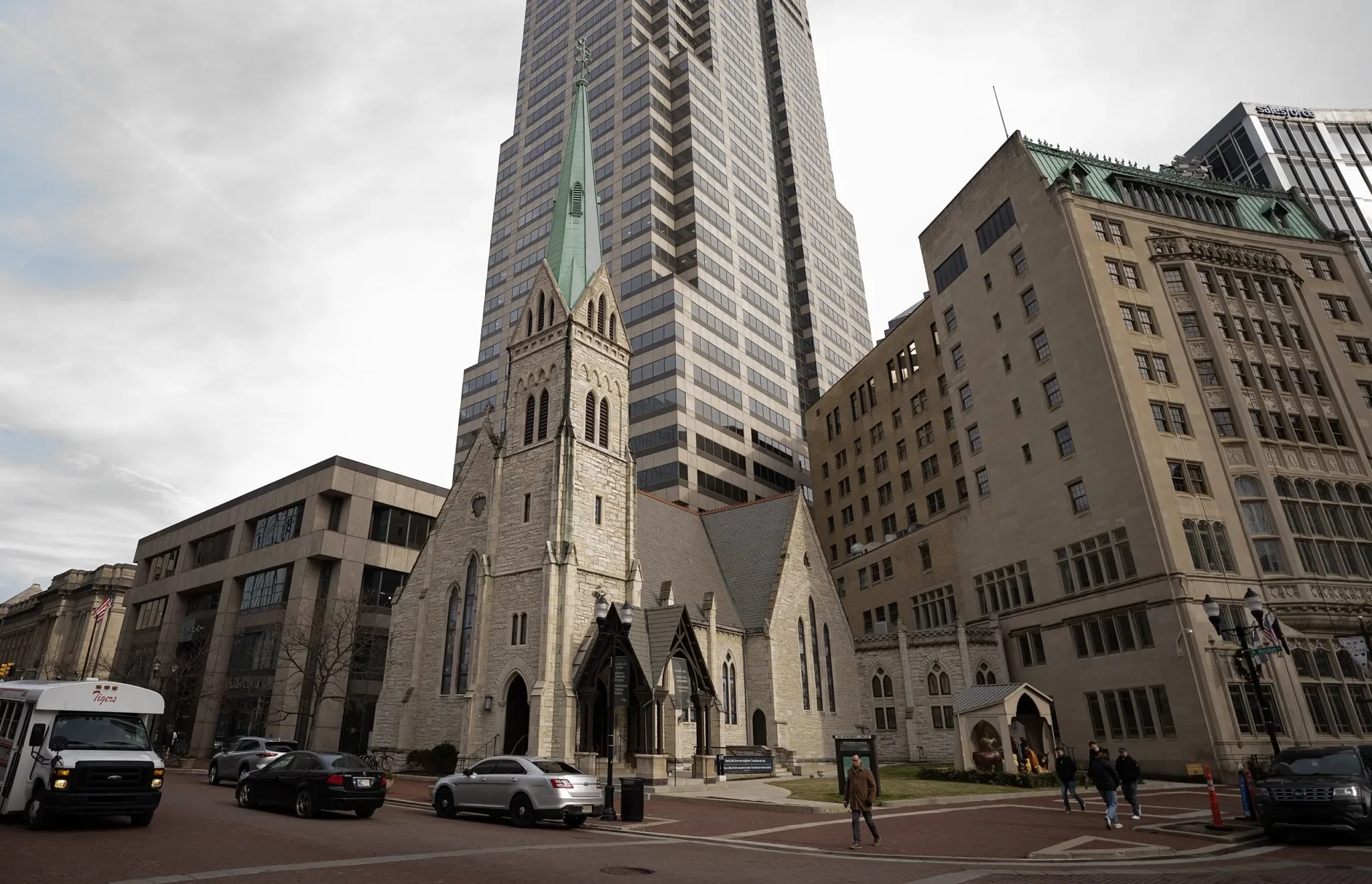
When Commitment Meets Coordination: The Episcopal Diocese of Indianapolis Partners with City Rising
At a time when many institutions are retreating from complexity, some are choosing to move toward it with intention.
The Episcopal Diocese of Indianapolis is one of these intentional institutions.
In the face of rising polarization, intensified immigration enforcement, and increasing forms of state-directed harm impacting vulnerable communities, the Diocese is taking a deliberate step toward strengthening how its commitments translate into coordinated, informed, and effective action that strategically uses its many assets to strengthen their solidarity with Hoosiers living on the front lines of precarity.
This spring, they have invited City Rising to serve as a social impact partner for Mutual Aid & Direct Action: A Strategic Formation Series for Clergy.
Social Impact Learning Series— “Why Collaboration Fails and What Ecosystem Thinking Can Do About It” on April 16th
Introducing the City Rising Social Impact Learning Series
Across communities, leaders and organizations are working on issues that are becoming more complex while many traditional forms of support are in retreat. This moment calls for new ways of understanding social impact—approaches that help us see the relationships, assets, and conditions that shape whether meaningful progress becomes possible.
The City Rising Social Impact Learning Series is a new collection of free webinars designed for hands-on leaders, practitioners, and organizations seeking practical ways to strengthen their work. Each session shares tools, frameworks, and insights drawn from more than two decades of social impact practice, research, and project leadership.

Beyond Collaboration: Why Social Impact Requires an Ecosystem Shift
Social impact leaders committed to their communities recognize that increased collaboration is an effective strategy to not only survive in this funding shift, but to thrive.
And yet, despite the growth of collaborative initiatives, many of the problems communities care most about remain stubbornly persistent.
This tension points to what might be called the collaboration paradox.
The more complex a social challenge becomes, the more collaboration it requires. However, collaboration alone often fails to produce the kind of systems change that leaders hope to see.

We Need to Talk About the Political Determinants of Health
Most people familiar with public health understand that social determinants of health (SDH) refer to "the conditions in which people are born, grow, live, work and age, and people's access to power, money and resources"—essentially anything non-medical that serves as the basis for health outcomes. What's crucial to understand is that 70% of our health outcomes result from these social determinants.
But here's the critical question: Where do the social determinants of health come from?

Beyond These Gates: Remembering, Reclaiming, and Reimagining the Indiana Women’s Prison
History is often written by those in power, leaving the voices of those most affected by systemic injustice unheard. Beyond These Gates is a community-driven remembrance project dedicated to amplifying the narratives of women who lived, served time, and contributed to the community at the Indiana Women’s Prison (IWP).
The Conspiracy of Community, Engagement, and Friendship
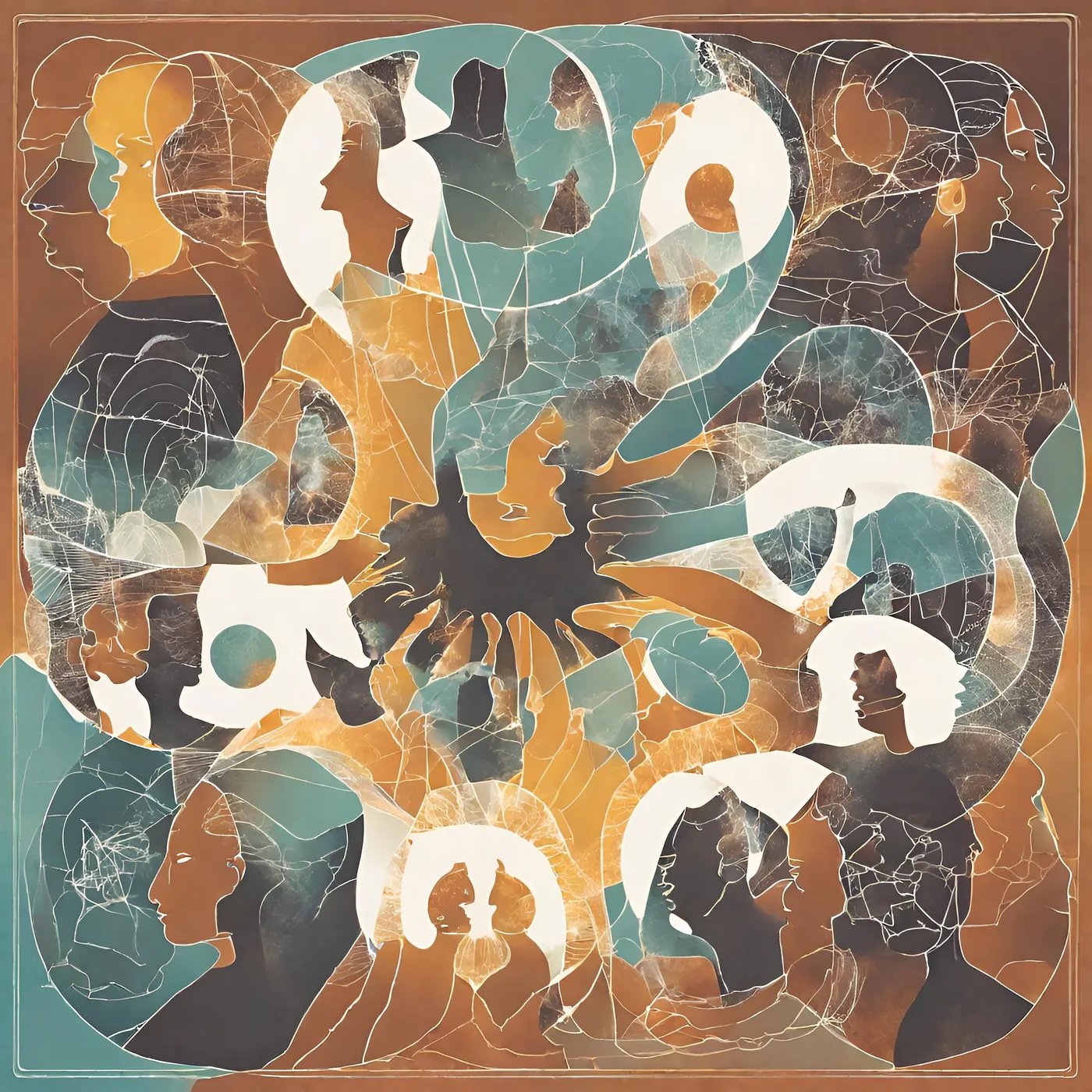
The word conspiracy comes from the Latin root conspirare, which means “to breathe together.” Being in a community with others and walking together in friendship requires understanding that relationships are essentially a shared commitment to “breathe together.”

What is a Relational Strategy?(And Why You Need One)
Whether you are leading a nonprofit, running a social enterprise, or working within a public-serving organization, your ability to cultivate and sustain authentic relationships can determine the effectiveness of your work. But what does a relational strategy actually mean, and why should you invest in one?

Naming the Features of a Relational Community Engagement Strategy: Prioritizing Desires, Not Problems or Needs
Like relational community engagement’s focus on people’s assets — their gifts and resources — not just the things or services they may need, a relational practice should prioritize the desires, dreams, and aspirations of those who live within our communities. People often targeted for need-based services or equity-based interventions are rarely asked what they desire or dream about.